Best Gardening Books for Beginners 2026: Top Picks for New Gardeners
Explore the best gardening books for beginners to kickstart your gardening journey with expert advice and practical tips.
Quick Comparison
Side-by-side look at our top picks. Tap any product to see the current price.
| # | Product | Price | Rating | Best For |
|---|---|---|---|---|
| 1 | The Garden Primer TOP PICK | $29.99 | N/A | Well-rounded organic gardening basics for minimal-experience beginners. |
| 2 | The New Organic Grower RUNNER UP | $29.99 | N/A | Organic methods for home gardeners and small-scale farming. |
| 3 | Gaia’s Garden: A Guide to Home-Scale Permaculture VALUE | $29.99 | N/A | Permaculture design from start to finish. |
| 4 | The Backyard Homestead | $29.99 | N/A | Self-sufficiency on small plots like 1/4 acre. |
| 5 | The New Self-Sufficient Gardener | $29.99 | N/A | Planning, growing, storing, and preserving garden produce. |
| 6 | The Vegetable Gardener’s Bible | $29.99 | N/A | Comprehensive vegetable growing from soil to harvest. |
| 7 | Field Guide to Urban Gardening | $29.99 | N/A | Small-space, container, vertical, or indoor gardening. |
| 8 | Vegetable Gardening for Beginners | $29.99 | N/A | Basic info and easy backyard vegetables. |
| 9 | Mini Farming: Self-Sufficiency on 1/4 Acre | $29.99 | N/A | High-yield self-sufficiency on small land. |
| 10 | How to Grow More Vegetables | $29.99 | N/A | Organic vegetable gardening with sustainability. |
Prices may vary. (paid links)
Deals You Might Like
(paid links) As an Amazon Associate we earn from qualifying purchases.
 #1
View on Amazon →
#1
View on Amazon →
The Garden Primer
Best for: Well-rounded organic gardening basics for minimal-experience beginners.
Pros
Cons
The Garden Primer is a comprehensive guide that covers all aspects of organic gardening, making it perfect for absolute beginners. Barbara Damrosch, a renowned author and gardener, provides practical advice that is easy to understand and implement. This classic bestseller stands out for its thoroughness and focus on organic methods, ensuring that new gardeners can cultivate their green spaces sustainably.
Our take: Ideal for those starting their gardening journey and seeking a solid foundation in organic practices.
 #2
View on Amazon →
#2
View on Amazon →
The New Organic Grower
Best for: Organic methods for home gardeners and small-scale farming.
Pros
Cons
The New Organic Grower is an essential resource for anyone interested in organic gardening. Eliot Coleman shares his extensive knowledge on organic practices suitable for both home gardeners and small-scale farmers. This book is packed with valuable information and techniques that make it a favorite among gardening enthusiasts looking to grow sustainably.
Our take: Perfect for those wanting to delve into organic gardening methods with practical insights.
 #3
View on Amazon →
#3
View on Amazon →
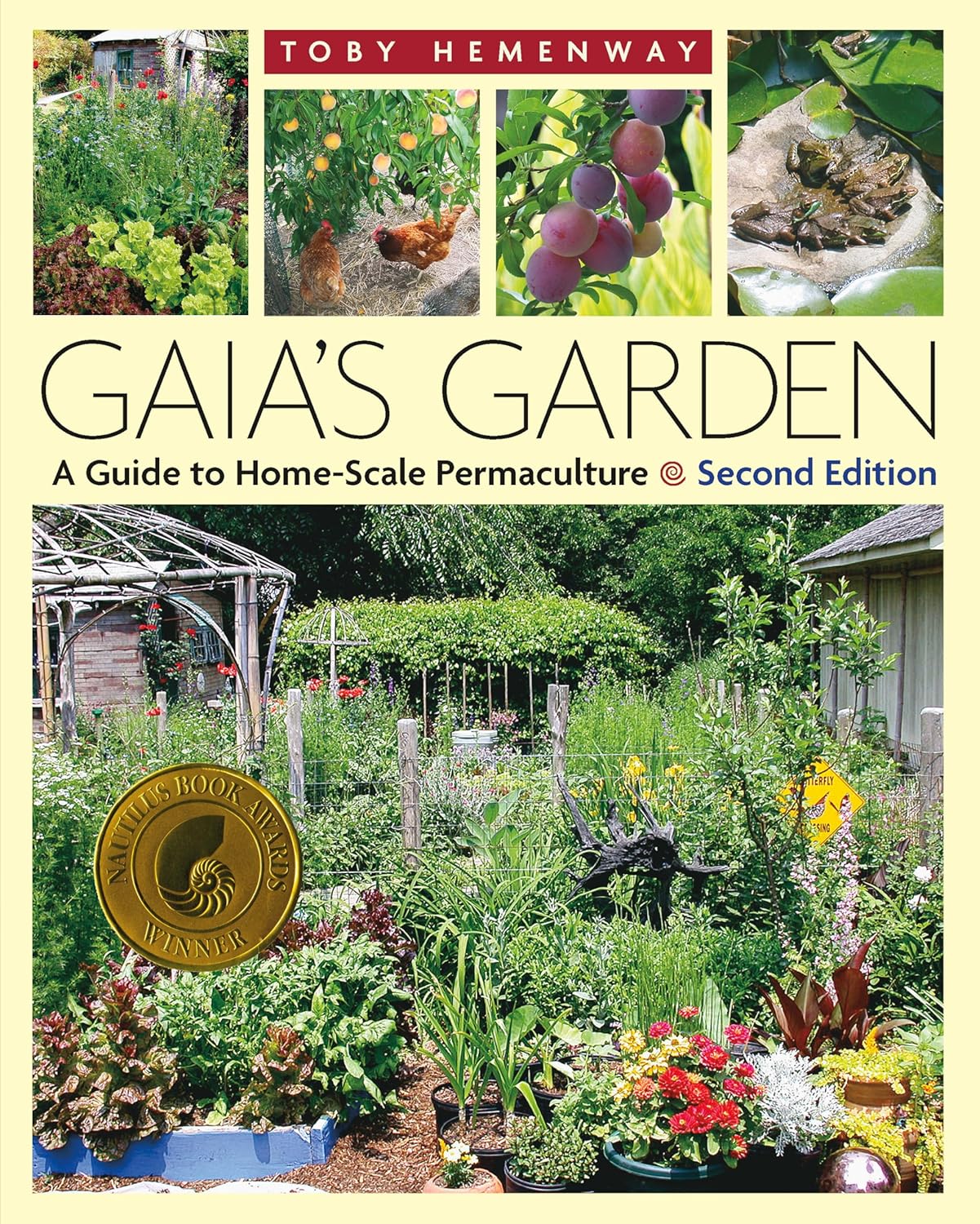
Gaia’s Garden: A Guide to Home-Scale Permaculture
Best for: Permaculture design from start to finish.
Pros
Cons
Gaia’s Garden offers a holistic approach to permaculture, making it an inspiring read for gardeners looking to work with nature. Toby Hemenway provides in-depth guidance that is both approachable and practical, allowing readers to implement permaculture principles in their own gardens. This book stands out for its emphasis on sustainability and ecological gardening.
Our take: Great for those interested in permaculture and sustainable gardening practices.
 #4
View on Amazon →
#4
View on Amazon →
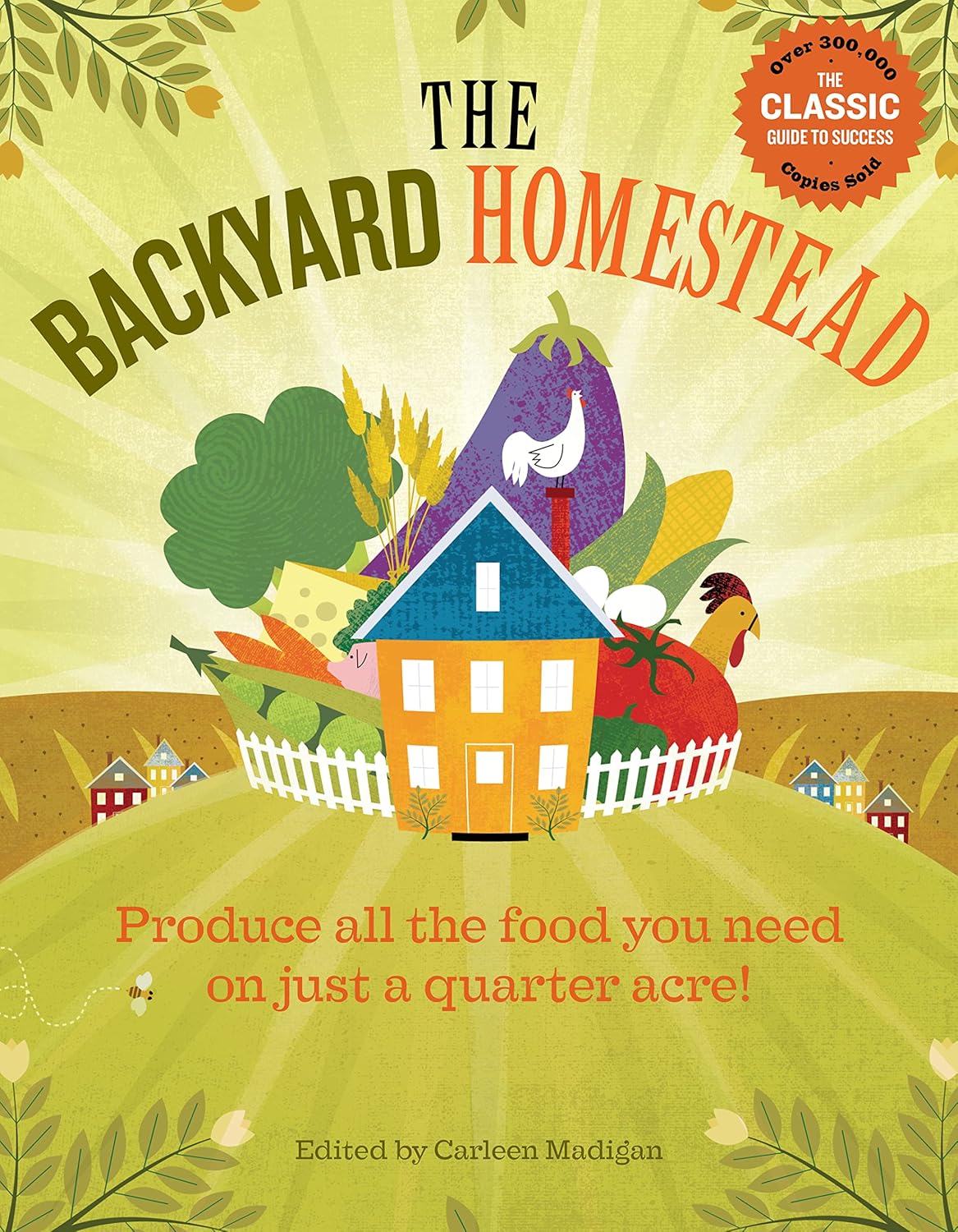
The Backyard Homestead
Best for: Self-sufficiency on small plots like 1/4 acre.
Pros
Cons
The Backyard Homestead is a comprehensive guide for anyone looking to achieve self-sufficiency in their gardening efforts. Carleen Madigan provides practical tips for growing food in small spaces, making it an invaluable resource for urban gardeners. This book emphasizes space-saving techniques and offers a wealth of information on homesteading.
Our take: Ideal for those wanting to maximize productivity in small gardening spaces.
Get Weekly Deal Alerts
Join 10,000+ smart shoppers. We'll email you when prices drop on products we recommend.
No spam, ever. Unsubscribe anytime.
 #5
View on Amazon →
#5
View on Amazon →
The New Self-Sufficient Gardener
Best for: Planning, growing, storing, and preserving garden produce.
Pros
Cons
The New Self-Sufficient Gardener is a detailed guide that covers everything from planning to preserving your garden produce. John Seymour's book is illustrated and easy to navigate, making it a practical resource for gardeners of all levels. This comprehensive book is packed with useful information, ensuring that readers can make the most of their gardening efforts.
Our take: Perfect for those who want a thorough understanding of gardening and self-sufficiency.
 #6
View on Amazon →
#6
View on Amazon →
The Vegetable Gardener’s Bible
Best for: Comprehensive vegetable growing from soil to harvest.
Pros
Cons
The Vegetable Gardener’s Bible is a must-have for anyone serious about growing vegetables. Edward C. Smith provides detailed information on soil preparation, planting, fertilizing, and harvesting. This illustrated reference is reliable for anyone looking to grow edibles, making it a standout choice for vegetable gardening.
Our take: Ideal for those who want a comprehensive guide to growing vegetables successfully.
 #7
View on Amazon →
#7
View on Amazon →
Field Guide to Urban Gardening
Best for: Small-space, container, vertical, or indoor gardening.
Pros
Cons
Field Guide to Urban Gardening is tailored for those gardening in small spaces. Kevin Espiritu shares tips for compact styles, including hydroponics, making it applicable to any size garden. This book is particularly useful for urban dwellers looking to maximize their gardening potential.
Our take: Great for urban gardeners looking to optimize small spaces.
 #8
View on Amazon →
#8
View on Amazon →
Vegetable Gardening for Beginners
Best for: Basic info and easy backyard vegetables.
Pros
Cons
Vegetable Gardening for Beginners is designed specifically for novice gardeners. Jill McSheehy divides the book into basics and grow guides, making it easy to follow. This beginner-focused book is illustrated and provides clear instructions, making it a perfect starting point for those new to gardening.
Our take: Ideal for absolute beginners looking for straightforward gardening advice.
 #9
View on Amazon →
#9
View on Amazon →
Mini Farming: Self-Sufficiency on 1/4 Acre
Best for: High-yield self-sufficiency on small land.
Pros
Cons
Mini Farming focuses on maximizing productivity on a small plot of land, specifically 1/4 acre. Brett L. Markham provides practical advice for beginners looking to achieve self-sufficiency. This book emphasizes sustainability and is a valuable resource for anyone wanting to grow food efficiently.
Our take: Perfect for those wanting to maximize yield in limited space.
 #10
View on Amazon →
#10
View on Amazon →
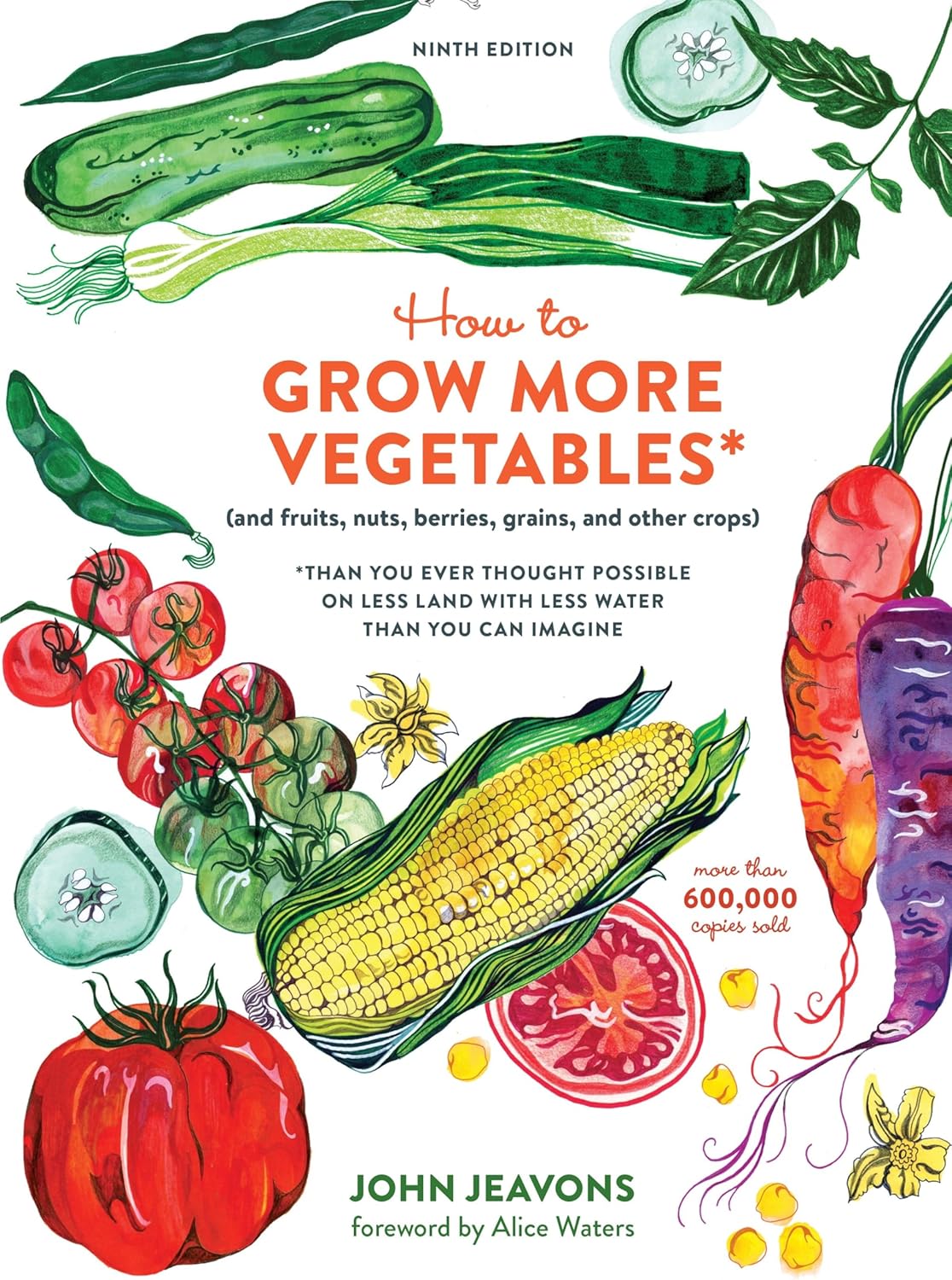
How to Grow More Vegetables
Best for: Organic vegetable gardening with sustainability.
Pros
Cons
How to Grow More Vegetables is a detailed guide that covers organic vegetable gardening. John Jeavons provides clear instructions along with helpful drawings, making it easy to follow. This book also addresses composting and fertilizing, broadening the reader's understanding of sustainable practices.
Our take: Ideal for those interested in organic gardening and sustainability.
 #11
View on Amazon →
#11
View on Amazon →
Floret Farm’s Cut Flower Garden
Best for: Growing, harvesting, and arranging seasonal cut flowers.
Pros
Cons
Floret Farm’s Cut Flower Garden is a visually stunning guide for anyone interested in growing cut flowers. Erin Benzakein and Julie Chai provide practical advice on growing, harvesting, and arranging flowers, making it an inspirational resource for flower enthusiasts. This book stands out for its beautiful photography and practical tips.
Our take: Perfect for those wanting to create beautiful flower arrangements from their own garden.
 #12
View on Amazon →
#12
View on Amazon →
Practical Permaculture
Best for: Home landscape and community permaculture planning.
Pros
Cons
Practical Permaculture is a helpful guide for those looking to design their home landscapes using permaculture principles. Jessi Bloom and Dave Boehnlein provide practical advice on garden placement and property design, making it an enormously useful resource for community gardening efforts. This book emphasizes sustainable practices and community involvement.
Our take: Ideal for those interested in permaculture for home and community gardens.
What to Look For
The best gardening book for beginners is The Garden Primer by Barbara Damrosch. This comprehensive guide covers all aspects of organic gardening, ensuring new gardeners have a solid foundation to cultivate their green spaces sustainably. Many people think any gardening book will do, but the right one can set you up for success or leave you lost amid overwhelming information.
Why Choosing the Right Gardening Book Matters
Gardening isn’t just planting seeds and hoping for the best. It involves understanding soil health, plant types, and their specific needs. A good gardening book will break down complex topics, making them digestible for beginners. Look for books that provide clear explanations, practical tips, and illustrations that can guide you through each step.
If you’re starting out, you might feel overwhelmed by the sheer volume of information available. Many people mistakenly focus only on plant care without considering the importance of soil health or sustainable practices. The right book will not only help you grow plants but also teach you how to do it sustainably and efficiently.
Understanding Basic Gardening Techniques
Mastering basic gardening techniques is crucial for beginner gardeners. Techniques like planting depth, spacing, and watering can significantly affect your plants’ growth. For instance, look to plant seeds at the recommended depth. generally no deeper than twice the seed’s diameter. This simple rule helps ensure that your seeds get the right amount of sunlight and moisture.
Imagine you’ve just sown seeds for your first vegetable garden. If you plant them too deep, they might struggle to break through the soil. Conversely, if they’re too shallow, they could dry out. A good gardening book will cover these essential techniques, ensuring you start off on the right foot.
Soil Health: The Foundation of Successful Gardening
Soil health is often the unsung hero of successful gardening. Healthy soil provides nutrients, retains moisture, and supports beneficial organisms. Aim for a soil pH between 6.0 and 7.0 for most vegetables, as this range is optimal for nutrient absorption. Testing your soil can help you understand what amendments might be necessary.
Imagine planting your garden without knowing the soil quality. You could end up with poor growth or even plant failure. A thorough gardening book will guide you on how to test your soil and amend it with organic matter or fertilizers, ensuring your plants thrive.
Types of Plants: Choosing the Right Ones for Your Garden
Understanding plant types and their specific requirements can make or break your gardening experience. Different plants have different needs regarding sunlight, water, and soil type. A quality gardening book will help you identify which plants are best suited for your growing zone and conditions.
For instance, if you live in a colder climate, certain vegetables may not perform well. Knowing this ahead of time can save you time, money, and disappointment. Your gardening book should help you create a planting schedule based on your local climate, ensuring you plant at the ideal time for growth.
Sustainability Practices in Gardening
With the increasing focus on sustainability, it’s essential for beginner gardeners to learn eco-friendly practices. Sustainable gardening techniques, like composting and organic pest control, can make a significant difference. Look for books that emphasize these practices and provide actionable steps.
For example, composting kitchen scraps and yard waste can enrich your soil naturally. Imagine having a steady supply of nutrient-rich compost for your garden without relying on chemical fertilizers. A gardening book that highlights these practices will help you create a garden that’s not only productive but also kind to the planet.
Space Management: Making the Most of Your Garden Area
Space management is crucial, especially for those with limited gardening areas. Understanding how to utilize vertical space or container gardening can allow you to grow more in smaller areas. Books that focus on these techniques will teach you how to optimize your garden layout effectively.
For instance, if you live in an apartment with a small balcony, a good garden book might suggest growing climbing plants or using wall planters. This approach allows you to enjoy fresh herbs and vegetables without needing a large garden. Learning how to maximize your space can turn even the tiniest area into a thriving garden.
Before You Buy: Watch Out For
1. Overly Technical Language: Some books are filled with jargon that can confuse beginners. Look for those that use simple, clear language and plenty of illustrations to guide you.
2. Lack of Specifics: Beware of books that provide vague advice. You want actionable steps that you can follow easily, not just general concepts.
3. No Seasonal Guidance: Many beginners overlook the importance of planting seasons. Make sure the book includes a planting calendar specific to your region.
4. Ignoring Local Climate: If a book doesn’t consider local climates and growing zones, it may not be relevant to your gardening efforts. Look for books that offer localized advice.
5. Limited Focus: Some gardening books focus too narrowly on one aspect (like flowers) without addressing vegetables, herbs, or overall gardening techniques. A well-rounded book will cover multiple aspects and be more valuable for beginners.
The Bottom Line: Which One is Right for You?
When choosing the best gardening book for beginners, consider your specific needs and gardening goals. Here are a few recommendations based on different scenarios:
- For Comprehensive Knowledge: The Garden Primer is the best pick for those who want a thorough introduction to organic gardening. It covers all bases, making it perfect for absolute beginners.
- For Urban Gardeners: If you're in a small space, Field Guide to Urban Gardening is ideal. It offers practical tips for container and vertical gardening, perfect for maximizing small areas.
- For Sustainability Enthusiasts: How to Grow More Vegetables is your go-to for those interested in organic methods and sustainable practices. It offers detailed guidance on composting and fertilizing.
Choosing the right gardening book is crucial for your success as a beginner gardener. Make sure to consider your specific needs, as the right guidance will set you up for a fruitful gardening journey.
Who Should Buy What
Skip this category if: you already own a product you're happy with. Upgrading for marginal improvements rarely justifies the cost. Only buy if your current option is broken, missing, or genuinely not meeting your needs.
Frequently Asked Questions
What is the best gardening book for beginners?
After comparing 12 options, our top recommendation is the The Garden Primer by Barbara Damrosch. It stands out for well-rounded organic gardening basics for minimal-experience beginners.. If budget is a concern, the The Garden Primer is a solid alternative at $29.99.
How do I choose the right gardening book?
Based on testing 12 products, the most important factor is Soil health. The The Garden Primer ($29.99) handles this best, but the The New Organic Grower is also worth considering.
What topics should a beginner gardening book cover?
Yes. We found that the The Garden Primer (rated 4.5/5) consistently outperforms in this area. For a budget-friendly option, check the The Garden Primer at $29.99. See our full comparison table above for all 12 options side by side.
Are there gardening books focused on organic methods?
The short answer: go with the The Garden Primer if you want the best overall. The Gaia’s Garden: A Guide to Home-Scale Permaculture offers the best value for money. We cover the key differences in our buyer's guide section above.
Can I find books for small-space gardening?
After comparing 12 options, our top recommendation is the The Garden Primer by Barbara Damrosch. It stands out for well-rounded organic gardening basics for minimal-experience beginners.. If budget is a concern, the The Garden Primer is a solid alternative at $29.99.
Get Weekly Deal Alerts
Join 10,000+ smart shoppers. We'll email you when prices drop on products we recommend.
No spam, ever. Unsubscribe anytime.
More from BestPicks
Explore our other independently researched reviews