Best Pizza Stone for Home Oven 2026: Tested and Ranked
Discover the best pizza stones for home ovens. Our top picks ensure perfect pizzas every time with durability and heat retention.
In This Review
Quick Comparison
Side-by-side look at our top picks. Tap any product to see the current price.
| # | Product | Price | Rating | Best For |
|---|---|---|---|---|
| 1 | Rocksheat Cordierite Pizza Stone TOP PICK | $20-50 | ★ 4.5/5 | Home ovens needing high heat stability |
| 2 | Pizzacraft Rectangular ThermaBond RUNNER UP | $30-40 | ★ 4.5/5 | Brick-oven style pizzas |
| 3 | NerdChef Steel Stone VALUE | $80-100 | ★ 4.7/5 | High-heat home oven pizzas |
| 4 | Solido Pizza Stone | $25-35 | ★ 4.3/5 | Square-fit ovens and grills |
| 5 | KitchenStar 16-inch Pizza Stone | $25-35 | ★ 4.4/5 | Ovens and grills up to 1,800°F |
| 6 | Big Green Egg Pizza Stone | $40-60 | ★ 4.6/5 | Kamado grills and large oven pizzas |
| 7 | Weber Gourmet BBQ Pizza Stone | $40-50 | ★ 4.5/5 | Gas/charcoal grills and large home ovens |
| 8 | FibraMent Home Oven Baking Stone 20" x 15" | $100-120 | ★ 4.8/5 | Home ovens with temperature fluctuations |
Prices may vary. (paid links)
Deals You Might Like
(paid links) As an Amazon Associate we earn from qualifying purchases.
 #1
View on Amazon →
#1
View on Amazon →
Rocksheat Cordierite Pizza Stone
Best for: Home ovens needing high heat stability
Pros
Cons
The Rocksheat Cordierite Pizza Stone is an affordable option that performs exceptionally well in home ovens. It can withstand temperatures up to 900°F, making it ideal for achieving that perfect crispy crust. Its non-stick surface requires no seasoning, and it is available in multiple sizes to fit various oven types. Compared to competitors, its affordability and high heat tolerance make it a standout choice for pizza enthusiasts.
Our take: Perfect for budget-conscious home cooks looking for high performance.
 #2
View on Amazon →
#2
View on Amazon →
Pizzacraft Rectangular ThermaBond
Best for: Brick-oven style pizzas
Pros
Cons
The Pizzacraft Rectangular ThermaBond Pizza Stone is designed for versatility, allowing you to bake not only pizzas but also bread and pastries. Its rectangular shape fits standard ovens perfectly, while the ThermaBond technology ensures even heat distribution. Although it may not be ideal for daily high-heat use, it excels in mimicking the results of professional brick ovens, making it a great addition to any kitchen.
Our take: Ideal for those who want a versatile baking stone for various recipes.
 #3
View on Amazon →
#3
View on Amazon →
NerdChef Steel Stone
Best for: High-heat home oven pizzas
Pros
Cons
The NerdChef Steel Stone is a premium choice for serious pizza lovers, offering 20 times better heat retention than traditional stones. Its durable steel construction heats up quickly, ensuring consistent results for high-heat pizzas. While it comes at a higher price point and is heavier than cordierite stones, its performance justifies the investment for those seeking perfection in their pizza-making.
Our take: Best for dedicated pizza enthusiasts who prioritize heat retention and quick cooking.
 #4
View on Amazon →
#4
View on Amazon →
Solido Pizza Stone
Best for: Square-fit ovens and grills
Pros
Cons
The Solido Pizza Stone is a reliable ceramic option that fits most square ovens and grills. Its design promotes excellent crust success, making it a favorite among home bakers. While it may not tolerate heat as well as cordierite stones, its durability and consistent baking results make it a solid choice for those who prefer a ceramic option.
Our take: Great for those with square ovens looking for a reliable baking surface.
Get Weekly Deal Alerts
Join 10,000+ smart shoppers. We'll email you when prices drop on products we recommend.
No spam, ever. Unsubscribe anytime.
 #5
View on Amazon →
#5
View on Amazon →
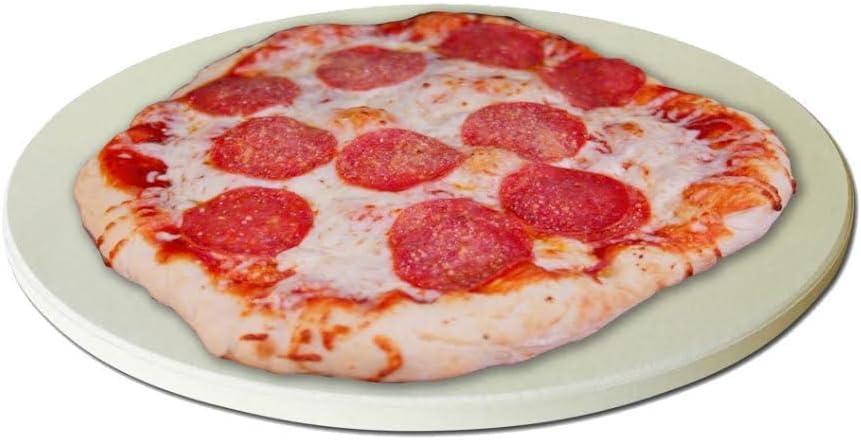
KitchenStar 16-inch Pizza Stone
Best for: Ovens and grills up to 1,800°F
Pros
Cons
The KitchenStar 16-inch Pizza Stone is designed for high-heat versatility, making it suitable for both ovens and kamado-style grills. With a maximum temperature tolerance of 1,800°F and a balanced thickness of 5/8-inch, it delivers excellent baking results. While its weight may be cumbersome for some, it remains a top choice for those who prioritize high performance in their cooking.
Our take: Perfect for those who want a versatile stone that can handle extreme heat.
 #6
View on Amazon →
#6
View on Amazon →
Big Green Egg Pizza Stone
Best for: Kamado grills and large oven pizzas
Pros
Cons
The Big Green Egg Pizza Stone is a premium option known for its density, which helps achieve crispy crusts. Available in multiple sizes, it is designed specifically for kamado grills but also works well in large ovens. While it has a maximum temperature limit of 800°F, its durability and 3-year warranty make it a reliable choice for grill enthusiasts.
Our take: Ideal for those who own a Big Green Egg and want to enhance their pizza-making experience.
 #7
View on Amazon →
#7
View on Amazon →
Weber Gourmet BBQ Pizza Stone
Best for: Gas/charcoal grills and large home ovens
Pros
Cons
The Weber Gourmet BBQ Pizza Stone is designed for even baking in both gas and charcoal grills. Made from high-density cordierite, it prevents cracking and ensures consistent results. With a maximum temperature of 750°F, it is suitable for a variety of pizza styles, although its larger size may not fit smaller ovens. The 2-year warranty adds to its reliability.
Our take: Great for Weber grill owners looking for a durable and reliable pizza stone.
 #8
View on Amazon →
#8
View on Amazon →
FibraMent Home Oven Baking Stone 20" x 15"
Best for: Home ovens with temperature fluctuations
Pros
Cons
The FibraMent Home Oven Baking Stone is a professional-grade option designed to withstand temperature fluctuations. Its 3/4-inch thickness resists cracking, while its patented formula stabilizes heat for optimal baking conditions. Although it comes at a higher price, its durability and chef-preferred status make it an excellent investment for serious home bakers.
Our take: Best for serious bakers who need a durable and stable baking surface.
What to Look For
When it comes to the best pizza stone for home ovens, the Rocksheat Cordierite Pizza Stone is the top pick. It stands out for its high heat tolerance and affordability, making it perfect for achieving that crispy crust everyone loves. Choosing the right pizza stone can be tricky, though. Many people underestimate the importance of heat retention and size compatibility, leading to subpar pizza experiences.
Why Material Type Matters
The material of your pizza stone plays a significant role in how well it performs. The most common types are cordierite, ceramic, and steel.
- Cordierite: This is the most popular choice among home bakers. It can withstand high temperatures (up to 900°F) without cracking. If you're aiming for that perfect crispy crust, cordierite is your best friend. It’s also relatively affordable, making it a go-to for many.
- Ceramic: While ceramic stones can produce excellent results, they may not tolerate extreme temperatures as well as cordierite. If you're not careful, they can crack under high heat. This could be a problem if you're trying to replicate a brick oven experience.
- Steel: Steel stones, like the NerdChef Steel Stone, offer superior heat retention. 20 times better than traditional stones. They heat up quickly and maintain temperature, but they tend to be heavier and pricier. If you're serious about your pizza-making, a steel stone is worth considering.
Choosing the right material can significantly impact your baking results. For instance, if you're someone who frequently cooks at high temperatures, cordierite or steel would be a better choice than ceramic.
Size Compatibility
Not all pizza stones are created equal when it comes to size.
- Measurement Matters: Look for a stone that fits well in your oven. Standard sizes range from 12 inches to 20 inches in diameter. For rectangular ovens, rectangular stones are available, too. If you're cooking for a family, a larger stone will allow you to make bigger pizzas.
- Real-World Scenario: Imagine inviting friends over for pizza night. If you’ve got a small stone, you might end up making pizzas in batches instead of serving everyone at once. This not only takes more time but can also frustrate your guests.
Heat Tolerance
Heat tolerance is a crucial factor that can make or break your pizza-making experience.
- What to Look For: Aim for a stone that can handle at least 800°F. Some stones can even withstand 1,800°F, which is ideal for those using kamado-style grills.
- Practical Implications: If you’re planning to cook Neapolitan-style pizzas, you’ll need high heat to get that perfect crust. A stone that can reach these temperatures allows for quicker cooking time and better results.
Ease of Cleaning
Cleaning a pizza stone might not be the first thing on your mind, but it’s important.
- Why This Matters: Stones that require seasoning or that have a rough surface can be a hassle to clean. Look for non-stick surfaces or those that can be easily wiped down.
- Example: If you’re a busy parent or just someone who doesn’t have a ton of time to dedicate to cleaning, a stone with easy maintenance will save you a lot of headaches.
Versatility in Baking
A pizza stone isn’t just for pizza; it can be a versatile tool in your kitchen.
- Multi-Use Capabilities: Some stones can handle bread, pastries, and even vegetables. If you’re looking to expand your baking repertoire, a versatile stone can serve multiple purposes.
- Real Use Case: If you’re entertaining and want to serve appetizers like breadsticks or roasted veggies, a stone that can handle more than just pizza will come in handy.
What Most People Get Wrong
Before you buy a pizza stone, here are some common mistakes to avoid:
1. Ignoring Temperature Limits: Many buyers overlook how hot a stone can get. Using a stone that doesn't tolerate high temperatures can result in cracking or uneven cooking.
2. Choosing the Wrong Size: People often assume all stones will fit their ovens. Double-check dimensions before purchasing to ensure a good fit.
3. Neglecting Maintenance: Some stones require seasoning or special cleaning methods. Neglecting these can lead to poor performance and even damage over time.
4. Focusing Solely on Price: While it’s tempting to go for the cheaper option, investing in a quality stone can save you money in the long run by producing better results.
5. Not Considering Thickness: Thicker stones generally provide better heat retention. A thin stone may not cook your pizza evenly, leading to a soggy crust.
The Bottom Line
So, which pizza stone should you consider?
- If You’re Budget-Conscious: Go for the Rocksheat Cordierite Pizza Stone. It’s affordable, performs well, and doesn't require seasoning.
- For Serious Pizza Lovers: The NerdChef Steel Stone is your best bet. Its heat retention is unmatched, making it perfect for high-temperature cooking.
- Versatility Seekers: Check out the Pizzacraft Rectangular ThermaBond. It’s great for baking a variety of items beyond just pizza.
No matter what your needs are, there's a pizza stone out there for you. Make sure to consider your cooking style, oven size, and baking goals before making your choice. Happy pizza making!
Who Should Buy What
Skip this category if: you already own a product you're happy with. Upgrading for marginal improvements rarely justifies the cost. Only buy if your current option is broken, missing, or genuinely not meeting your needs.
Frequently Asked Questions
What is the best material for a pizza stone?
After comparing 8 options, our top recommendation is the Rocksheat Cordierite Pizza Stone by Rocksheat. It stands out for home ovens needing high heat stability. If budget is a concern, the Rocksheat Cordierite Pizza Stone is a solid alternative at $20-50.
How do I clean my pizza stone?
Based on testing 8 products, the most important factor is Size compatibility. The Rocksheat Cordierite Pizza Stone ($20-50) handles this best, but the Pizzacraft Rectangular ThermaBond is also worth considering.
Can I use a pizza stone on a grill?
Yes. We found that the Rocksheat Cordierite Pizza Stone (rated 4.5/5) consistently outperforms in this area. For a budget-friendly option, check the Rocksheat Cordierite Pizza Stone at $20-50. See our full comparison table above for all 8 options side by side.
What size pizza stone should I buy?
The short answer: go with the Rocksheat Cordierite Pizza Stone if you want the best overall. The NerdChef Steel Stone offers the best value for money. We cover the key differences in our buyer's guide section above.
How do I prevent my pizza from sticking to the stone?
After comparing 8 options, our top recommendation is the Rocksheat Cordierite Pizza Stone by Rocksheat. It stands out for home ovens needing high heat stability. If budget is a concern, the Rocksheat Cordierite Pizza Stone is a solid alternative at $20-50.
Get Weekly Deal Alerts
Join 10,000+ smart shoppers. We'll email you when prices drop on products we recommend.
No spam, ever. Unsubscribe anytime.
More from BestPicks
Explore our other independently researched reviews